
 Cart
Cart
How Energy Management Systems Optimize Efficiency in Buildings
Commercial buildings consume about 17.2% of the energy produced in the United States. Efficient energy use is essential for modern buildings striving to reduce costs and promote sustainability. But what is energy management, as it relates to commercial buildings, and how do energy management systems (EMS) help achieve these goals? This article breaks down the basics of energy management, explains how EMS works, and highlights their vital role in improving building efficiency. Additionally, we’ll explore the innovative solutions at KMC Controls and our seamless integration with other building systems.
What is energy management?
Energy management is the process of monitoring, controlling, and optimizing energy consumption to reduce waste and improve efficiency. This practice involves strategies such as analyzing consumption patterns, setting goals for energy reduction, and implementing systems or technologies to streamline usage. By carefully managing energy, organizations can lower operational costs, reduce their carbon footprint, and meet broader sustainability objectives.
For buildings, energy management often focuses on heating, ventilation, air conditioning (HVAC), lighting, and other key operational systems. When executed correctly, an EMS delivers improved comfort for occupants, streamlined operations, and significant cost savings.
What is an energy management system (EMS)?
An energy management system (EMS) is a technology platform designed to monitor, control, and optimize energy usage within a building or group of buildings. EMS collects data in real-time from various devices and systems, such as HVAC, lighting, and metering systems, then analyzes this data to help building managers make informed decisions about how to manage energy consumption effectively.
EMS not only identify inefficiencies but also automate adjustments to optimize performance based on pre-set parameters. For example, during peak hours, systems might reduce HVAC usage in unoccupied areas or adjust lighting levels to save energy while maintaining comfort and safety.
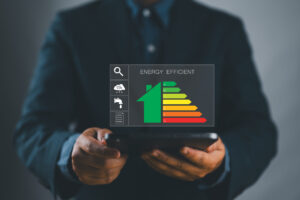
How do energy management systems optimize energy usage in buildings?
Energy management systems work by integrating with a building’s infrastructure to provide comprehensive control and monitoring. Here’s how EMS optimizes energy use:
- Collecting Data
- EMS gathers energy usage data from all connected systems, such as water and power meters, sensors, and smart devices. This real-time information creates a complete picture of the building’s energy consumption.
- Analyzing Energy Patterns
- Using advanced algorithms, EMS analyze consumption patterns to identify inefficiencies or deviations from normal operations. For example, excessive energy use during non-peak hours may signal the need for system commissioning or calibration.
- Implementing Automated Controls
- EMS can automatically adjust settings such as HVAC temperature, lighting schedules, or equipment operation based on predefined rules or real-time occupancy data. This reduces energy waste without requiring manual intervention.
- Providing Actionable Insights
- Building managers receive actionable recommendations via intuitive dashboards, enabling them to address specific inefficiencies or make strategic decisions for long-term savings.
By performing these functions, EMS not only helps reduce energy costs but also supports sustainability objectives by lowering carbon emissions and resource consumption.
How do energy management systems help reduce operational costs?
The ability to monitor, analyze, and optimize energy use directly translates to cost savings. Buildings equipped with an EMS can identify and eliminate unnecessary energy use, which lowers utility bills. Here are some cost-saving benefits of EMS:
- Lower Energy Consumption
- Automated controls ensure energy is only used when and where it’s needed. For example, an EMS can adjust HVAC systems in real-time based on occupancy trends and use grid-interactive thermal load management, like automated demand response (ADR), to minimize consumption during peak utility rate hours to avoid energy waste.
- Peak Demand Management
- EMS helps manage peak demand loads by scheduling energy-intensive activities during off-peak hours. This reduces demand charges, which are a significant portion of energy costs for commercial properties.
- Reduced Maintenance Expenses
- By pinpointing inefficiencies, EMS allows for proactive maintenance, preventing expensive equipment failures. For instance, it can detect anomalies in HVAC system performance, flagging potential issues before they escalate.
These savings accumulate over time, justifying the initial investment in EMS technology and leading to more predictable budget management for building operators.
How do energy management systems support sustainability goals?
Sustainability is a critical priority for organizations aiming to minimize their environmental impact. EMS plays a central role in achieving these goals in several ways:
- Carbon Footprint Reduction
- By optimizing energy use, EMS reduces greenhouse gas emissions associated with fossil fuel energy production.
- Resource Conservation
- EMS ensures resources like electricity, heating, and cooling are not wasted, promoting responsible energy consumption.
- Regulatory Compliance
- Many regions have strict energy efficiency regulations. EMS helps buildings meet these standards, avoiding penalties and positioning organizations as leaders in environmental stewardship.
Sustainability efforts also enhance brand reputation, demonstrating an organization’s commitment to responsible business practices.
How does KMC Controls improve energy management with innovative solutions?
KMC Controls offers advanced energy management solutions designed to simplify and enhance building operations. Our products seamlessly integrate with existing building systems, providing real-time insights and actionable data to building managers. Key benefits of KMC Controls solutions include:
- Real-Time Monitoring and Insights
- Our energy management tools deliver real-time data visualization through intuitive dashboards. Building managers can access energy consumption reports, identify inefficiencies, and take corrective action immediately.
- Integration with Building Automation Systems (BAS)
- KMC Controls solutions integrate via open protocols with other Building Automation Systems (BAS), such as HVAC and lighting, creating a unified system for maximum efficiency. Learn more about BAS solutions here.
- Scalable and Flexible Solutions
- Whether managing a single building or a portfolio of properties, our scalable systems adapt to varying needs. This flexibility ensures that organizations of all sizes can benefit from advanced energy management.
- Actionable Alarms and Notifications
- KMC Controls systems send automated alerts when systems deviate from optimal ranges, enabling quick responses. For example, if an HVAC system consumes more energy than expected, the system will notify the manager to investigate further.
Explore our energy management solutions and full suite of products here.
Final Thoughts
Energy management is an essential strategy for reducing operational costs, enhancing sustainability, and promoting efficient building operations. By utilizing advanced energy management systems, organizations can automate energy utilization, address inefficiencies, and contribute to a greener future.
Our innovative energy management solutions are a valuable tool for building managers looking to improve efficiency and achieve sustainability goals. With real-time insights and seamless integration into existing systems, our products make managing energy simpler, smarter, and more impactful than ever before.
Are you ready to optimize your building’s energy performance? Visit KMC Controls to learn how our solutions can help you maximize efficiency while supporting your sustainability objectives.